

Wine Facts
Some interesting Facts
Chardonnay
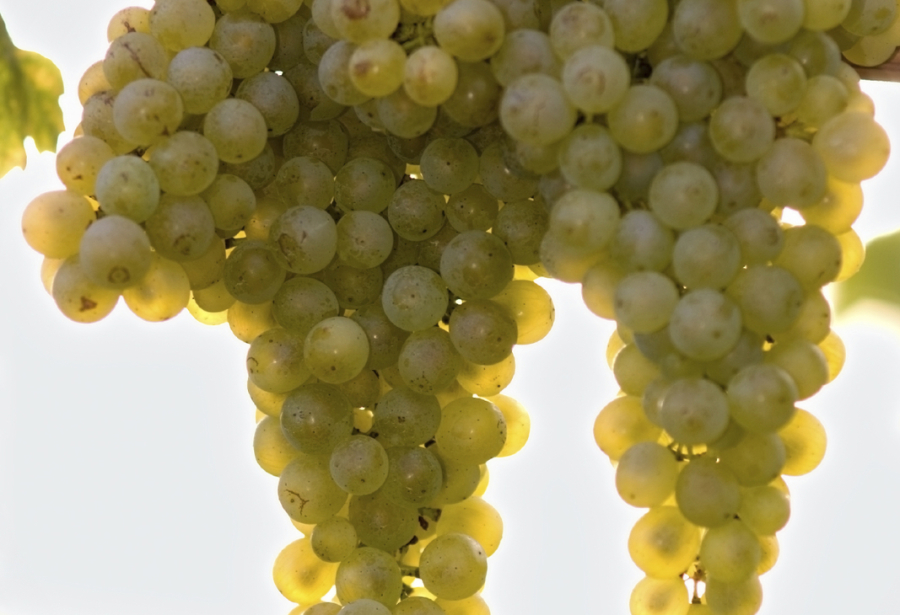
15% of all the world’s Chardonnay is grown in Burgundy.
Cabernet Sauvignon
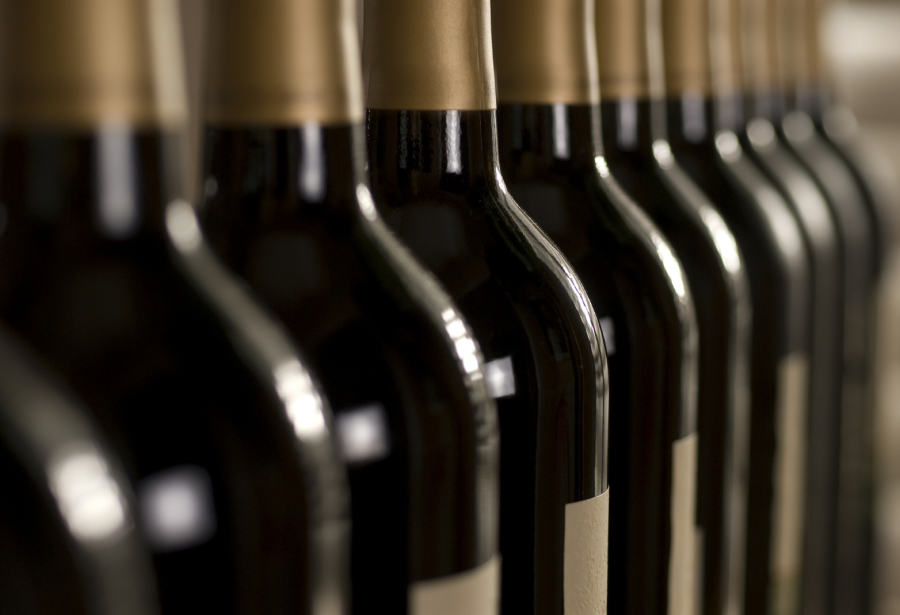
Its intense and black-fruit aroma and taste contribute depth to any wine in which it is used. It is often a component of claret (Bordeaux red wine) and so, when combined with other red grapes (in varying proportions) such as Merlot, Petit Verdot, Cabernet Franc, or even Malbec or Carmenère, this is generally referred to as a “Bordeaux blend”, wherever this is grown or produced.
Champagne
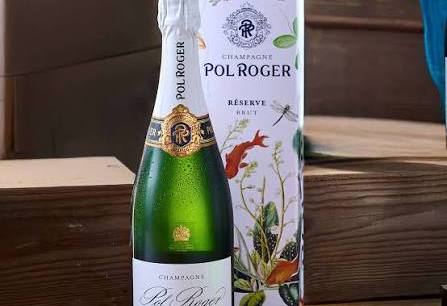
All Champagne is sparkling wine, but not all sparkling wine is Champagne.
To be called Champagne, it must come from the Champagne region of France and be made under strict rules, including which grape varieties can be used and how the wine is produced.
Sparkling wine, however, is made all over the world using many different grapes and methods. Some of the best-known examples are Prosecco from Italy, Cava from Spain, Sekt from Germany and Crémant from various regions of France.
So, while they may all have bubbles, only the real thing from Champagne can carry the Champagne name!
Tannin
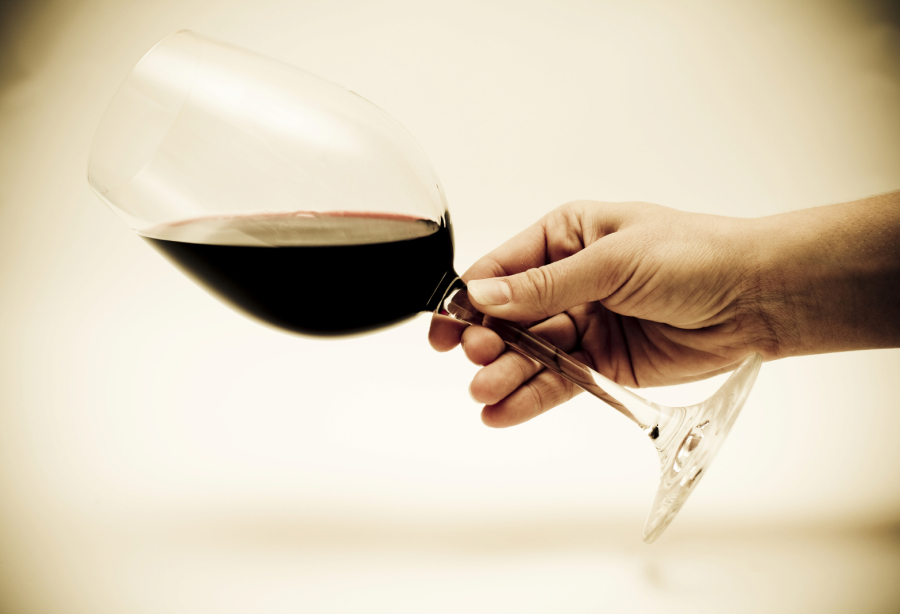
Tannins are natural compounds found in many plants and foods, including tea, coffee, chocolate and, of course, grapes. In wine, they come mainly from the grape skins, seeds and stems, as well as from wooden barrels during ageing.
Tannins are what give wine that slightly dry, mouth-puckering feeling – rather like drinking strong black tea.
Red wines generally have the most tannin because the grape juice spends longer in contact with the skins and seeds during winemaking. White wines have much less, while rosé usually sits somewhere in between.
Tannins also play an important part in a wine’s structure and can help it age and develop over time.
 Print
Print